
Homework / Home Learning
At White Cliffs Primary and Nursery School, we want every child to grow into a lifelong learner, curious, confident and excited about the world around them. We love to see children discovering new things, taking on challenges and making connections between what they learn at school and their experiences at home.
Home learning looks a little different depending on the age of your child. We recognise how busy family life can be and do not want homework to become a source of pressure for children or families. However, regular support at home can make a real difference to a child’s confidence, independence and progress.
Our approach to home learning focuses on reinforcing important skills and learning already introduced in school.
Beginning the Reading Journey – Reception 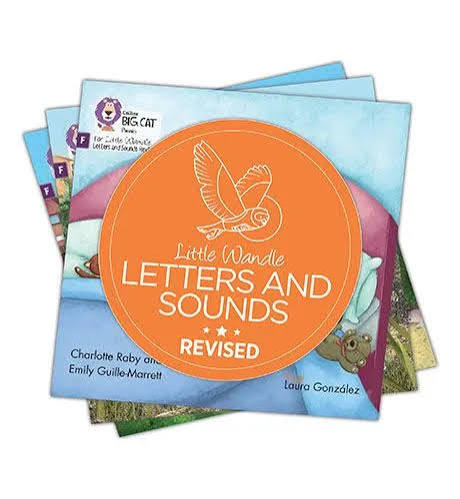
In Reception, children begin their exciting journey towards becoming confident and enthusiastic readers. We follow the Little Wandle Letters and Sounds Revised programme to teach early reading and phonics. Children are introduced to sounds and taught how to blend these sounds together to read words.
As part of the Little Wandle approach, children will bring home books that are carefully matched to the sounds and words they have been learning in school. This means that children should be able to read their book with increasing confidence and fluency. We encourage families to listen to their child read and to celebrate their successes. Re-reading the same book is an important part of learning to read: it helps children develop fluency, confidence and expression.
Children may also bring home books to share and enjoy with their family. These books are an opportunity to enjoy a story together, talk about the pictures and characters, explore new vocabulary and develop a love of books. Children are not expected to be able to read these independently.
Reading together at home, even for a few minutes each day, is one of the most valuable ways families can support children as they begin their reading journey.
Reading
As children progress through school, we expect and encourage every child to read regularly at home, ideally each evening. This might be a few pages of their school reading book, a favourite book from home, a comic, magazine, recipe, information book or even a leaflet they have picked up from the supermarket.
Most importantly, we want children to develop a genuine enjoyment and love of reading. Sharing books, talking about what has been read and discussing new words are all valuable ways of supporting your child.
As children become more independent readers, we still encourage families to talk to them about their books and take an interest in what they are reading.
Spellings and Key Vocabulary
Children may have spellings and key vocabulary sent home weekly or termly, depending on their age and stage of learning. We encourage families to practise these words regularly. Children should be supported not only to spell the words correctly but also to read them confidently and understand their meaning.
Short, regular practice is often much more effective than completing a large amount in one session.
Maths – Numbots and Times Tables Rock Stars 
Children have access to online maths activities, including Numbots and, when appropriate, Times Tables Rock Stars (TT Rock Stars).
Numbots supports children in developing their number fluency, including rapid recall and understanding of important number facts. TT Rock Stars helps children develop confidence, accuracy and speed with their multiplication and division facts.
Regular short sessions at home can help children build fluency and confidence in these essential mathematical skills.
Key Stage 2 Home Learning
As children move through Key Stage 2, they may occasionally have additional activities sent home to reinforce, practise or consolidate learning that has taken place in class. This might include activities linked to English, maths or another area of the curriculum.
The purpose of these activities is not to introduce new learning at home, but to give children further opportunities to practise and become secure in knowledge and skills they have already been taught.
Year 6 Homework
In Year 6, children will gradually be encouraged to take greater responsibility for their home learning as part of preparing them for the transition to secondary school.
This may include weekly homework, particularly as the year progresses. Where weekly homework is set, it will normally be sent home on a Friday and returned to school on Monday.
The class will then go through the homework together, giving children an opportunity to discuss their answers, address any misconceptions and learn from any mistakes. We want homework to support learning rather than cause anxiety, so children should always speak to their teacher if they have found an activity difficult or have been unable to complete it.
Working Together
The most important part of home learning is encouragement. Taking an interest in what your child is learning, listening to them read, practising key skills and celebrating their effort all make a significant difference.
Thank you for continuing to work in partnership with us. Together, we can help our children become confident, independent and enthusiastic lifelong learners.